Rock Chips on Car Hood in Franklin, TN: Causes and How Paint Protection Film Stops Them
A clean hood can pick up its first chip in a matter of seconds. A small stone kicked up by another vehicle may strike the paint before you can react, leaving a bright speck that stands out every time sunlight hits the panel. For drivers in Franklin, regular travel on busy roads, highways, and routes with loose debris makes the front of a vehicle especially vulnerable.
You cannot control every object that leaves the road surface, but you can put a durable barrier between that debris and your factory finish. Professionally installed paint protection film helps absorb many of the impacts that would otherwise reach the clear coat and paint. Below, we explain why hood chips happen, where damage commonly appears, and how to choose the right coverage for your vehicle.
Why Rock Chips Appear on a Car Hood
Most hood chips are caused by small pieces of gravel, asphalt, sand, or other road debris becoming airborne. Vehicle tires can throw those materials backward, while traffic moving in the opposite direction can create fast, unpredictable impacts. Because the hood presents a broad, forward-facing surface, it often takes the hit.
The risk is not limited to gravel roads. Loose aggregate can collect near construction areas, road shoulders, damaged pavement, and recently repaired surfaces. Debris may also fall from a vehicle ahead. Even particles that look harmless can damage paint when speed adds force to the impact.
Several everyday conditions can increase exposure:
- Following trucks or other vehicles too closely
- Driving frequently at highway speeds
- Traveling near roadwork or loose pavement
- Using rural roads where gravel reaches the driving surface
- Commuting often and accumulating more road miles
- Driving a vehicle with a low hood or an aggressive front-end shape
Leaving more space between vehicles is sensible, but distance alone cannot provide complete
rock chip protection. Debris can come from another lane, opposing traffic, or an object already lying on the road.
Why a Tiny Chip Deserves Attention
A rock chip may seem purely cosmetic, but it means the protective paint system has been compromised at that spot. Modern automotive finishes generally include layers such as primer, color, and clear coat. An impact can mark the clear coat, remove color, or expose the surface beneath it, depending on its size, angle, and force.
Once a chip is visible, washing and waxing will not restore the missing paint. Touch-up paint may make an existing mark less noticeable and help cover exposed material, but it does not recreate the original sprayed finish. Repairing numerous chips later can also require more extensive paintwork than protecting a sound finish earlier.
This is why owners often choose PPF when a vehicle is new or after the paint has been properly corrected. The film preserves the surface that is already there. It does not erase damage beneath it. Existing chips should be evaluated before installation so expectations and preparation are clear.
How Paint Protection Film Helps Stop Rock Chips
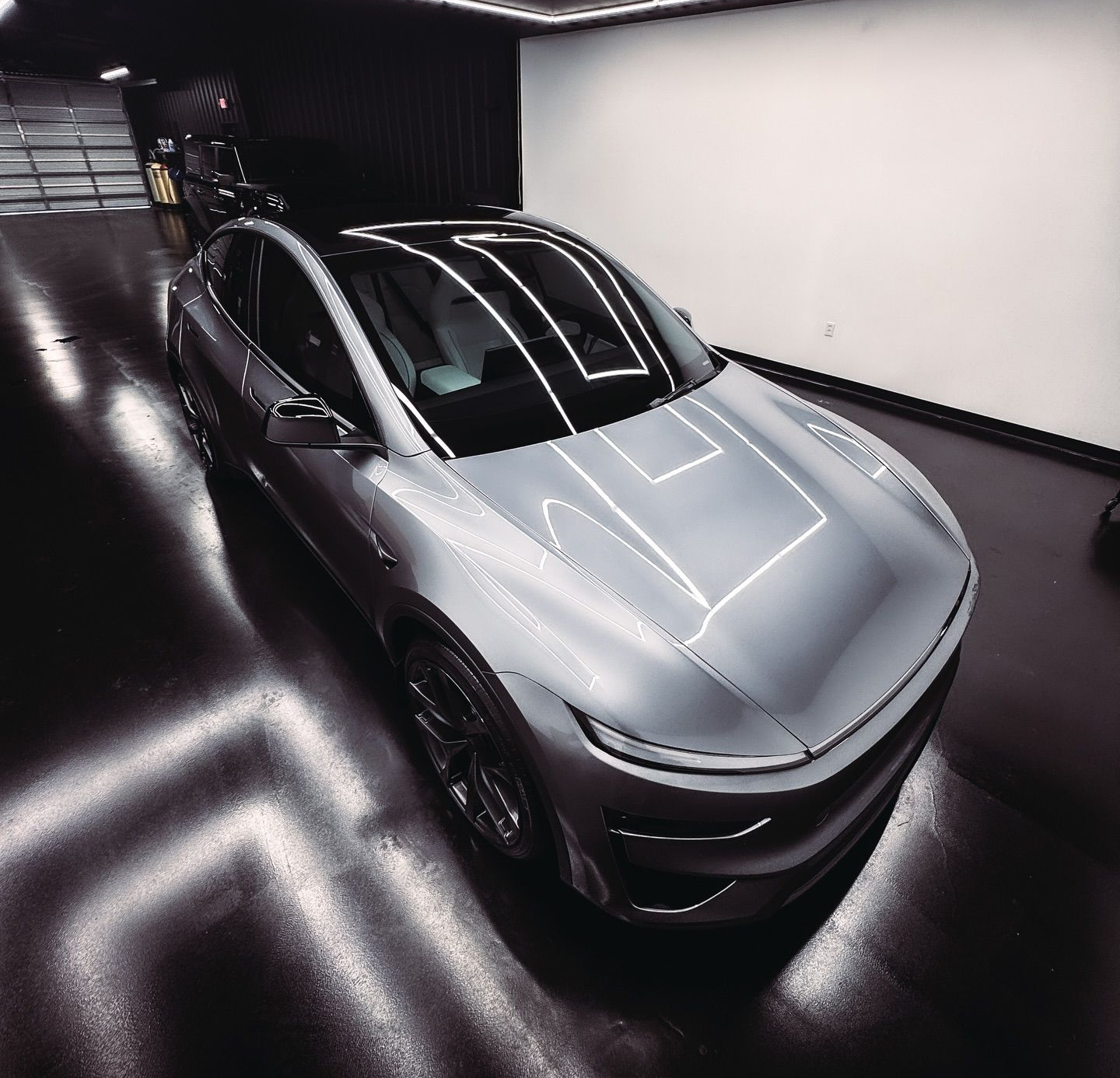
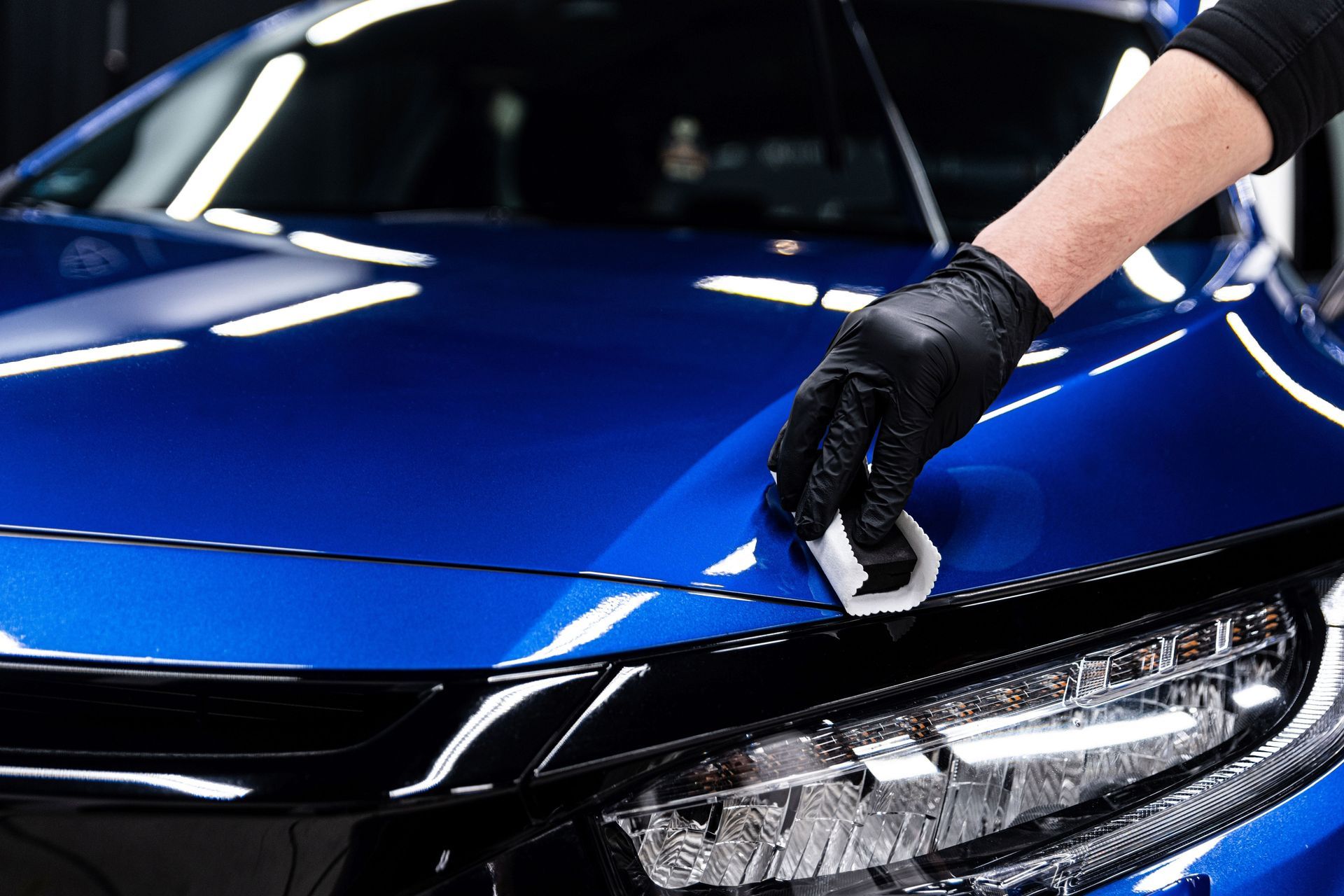
Paint protection film, commonly called PPF, is a transparent thermoplastic urethane material installed over painted panels. Instead of leaving the clear coat directly exposed, the film becomes the first surface contacted by gravel, insects, minor abrasions, and ordinary road debris.
When a small object strikes the hood, the film can flex and help disperse impact energy. This greatly reduces the likelihood that many routine impacts will chip the paint beneath it. No automotive film can make a vehicle immune to every collision. A large, sharp, or high-speed object may still cause damage, but quality PPF provides a meaningful sacrificial layer for normal driving conditions.
Modern film is designed to remain virtually unnoticeable when properly installed. The PPF offered by 86 Auto Lab also has self-healing properties, allowing light surface scratches and swirl marks in the film to diminish with heat. Self-healing is useful for minor surface marks, but it should not be confused with repairing punctures, deep cuts, or paint damage that existed before installation.
Why the Hood Is a High-Priority Area
The front bumper usually meets airborne debris first, but the hood is one of the largest impact zones on the vehicle. Its position and angle make it a natural landing area for stones that travel above the bumper. Chips may cluster along the leading edge, but impacts can occur farther back as well.
That distinction matters when comparing partial and full hood paint protection film. Partial coverage protects only a portion of the panel. It can be an accessible way to defend the most exposed leading area, but it leaves the rest of the hood uncovered and creates a film edge across the panel.
Full hood coverage extends protection across the entire painted hood, removes that mid-panel transition, and provides more consistent defense against debris that travels higher than expected.
For a driver primarily concerned about visible hood damage, PPF for the car hood is a strong starting point. However, the hood rarely faces road impacts alone. The front bumper, front fenders, headlights, fog lights, and mirror caps may encounter the same debris, so broader front-end coverage may offer a more complete result.
Which PPF Coverage Makes Sense for Your Vehicle?
The best package depends on how and where you drive, how long you plan to keep the vehicle, and how much of its finish you want to preserve. 86 Auto Lab offers several XPEL paint protection film packages for Franklin drivers.
Before comparing the options below, watch this helpful video on choosing between Full Front, Track Pack, and Full Body PPF. It explains how each level of coverage protects different areas of a vehicle and can help you identify which package best matches your driving habits.
Partial Front PPF
The Partial Front package covers the front bumper, part of the hood, part of the front fenders, and the headlights. It targets common impact areas while limiting the amount of film used. This may suit an owner seeking focused coverage who accepts that portions of the hood and fenders will remain exposed.
Full Front PPF
The Full Front package includes the front bumper, full hood, mirrors, full front fenders, headlights, and fog lights. This option avoids leaving the upper hood unprotected and creates a broader shield across the vehicle’s forward surfaces.
For frequent commuters and owners who want to prevent rock chips on a car without covering every body panel, full-front protection often provides a practical balance.
Track Pack and Full Body PPF
86 Auto Lab’s Track Pack adds rocker panel coverage to the areas protected by its Full Front package. Rocker panels can be exposed to material thrown by the vehicle’s own tires, making this package relevant for performance driving or owners seeking additional lower-body protection.
Full Body PPF extends coverage across the entire exterior for drivers who want the most comprehensive option offered.
Package names alone should not decide the installation. A professional inspection and a conversation about your driving habits can help determine whether a Partial Front, Full Front, Track Pack, or Full Body approach fits your priorities.
Why Professional PPF Installation Matters
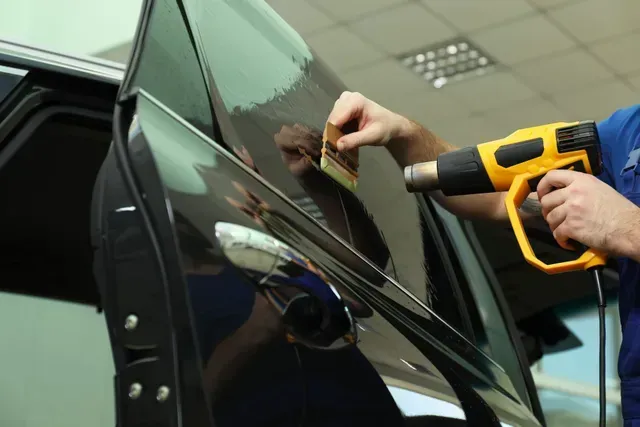
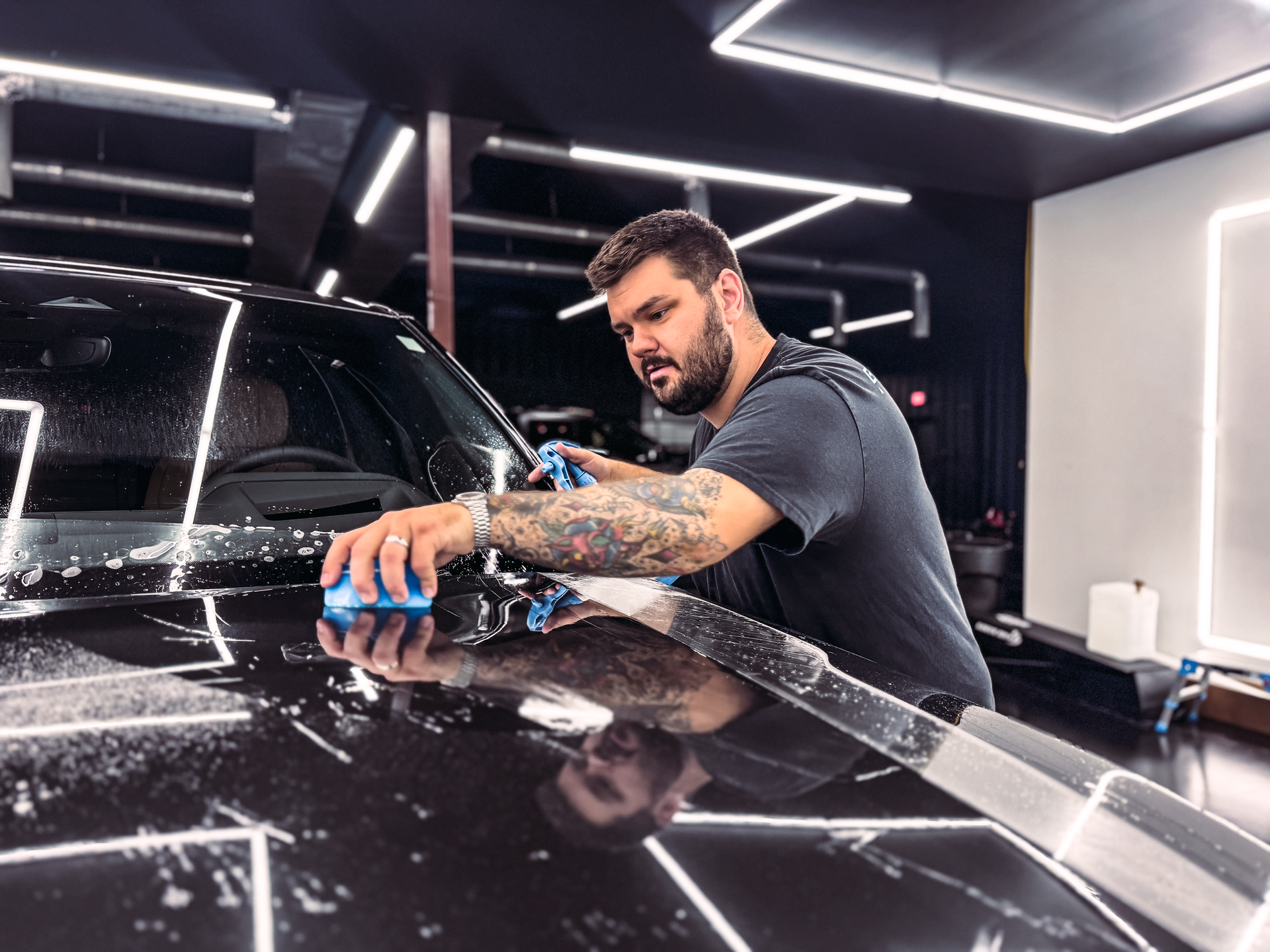
Film quality is only one part of the outcome. The painted surface must be cleaned and prepared before installation because dirt, wax residue, or other contamination can interfere with the finish. The material must also be positioned around curves, panel edges, body lines, and openings with care.
A trained installer works to achieve even alignment, secure adhesion, and a clean appearance while minimizing visible seams and trapped contamination. Professional installation also provides an opportunity to inspect existing paint and identify chips or defects that may remain visible beneath the film.
86 Auto Lab is an XPEL Certified Installer located at 1552 Columbia Avenue, Building 3, in Franklin. Its PPF service page states that its high-quality, self-healing films include a lifetime warranty. Vehicle owners should review the written warranty terms, covered conditions, exclusions, and required care for the specific film selected before authorizing the work.
Caring for a PPF-Protected Hood
PPF is low-maintenance, but thoughtful care helps preserve its appearance. Follow the installer’s instructions regarding the initial curing period before washing the vehicle. After that, wash regularly with gentle automotive products and clean tools.
Avoid directing high-pressure water at close range toward a film edge, and remove bug residue, bird droppings, and other contaminants promptly.
If an edge lifts or the film suffers a deep cut, do not pull or trim it yourself. Let the installer inspect the affected area. A damaged section of film may be replaceable without refinishing an undamaged painted panel beneath it, which illustrates the value of using PPF as a sacrificial surface.
When Is the Best Time to Install PPF?
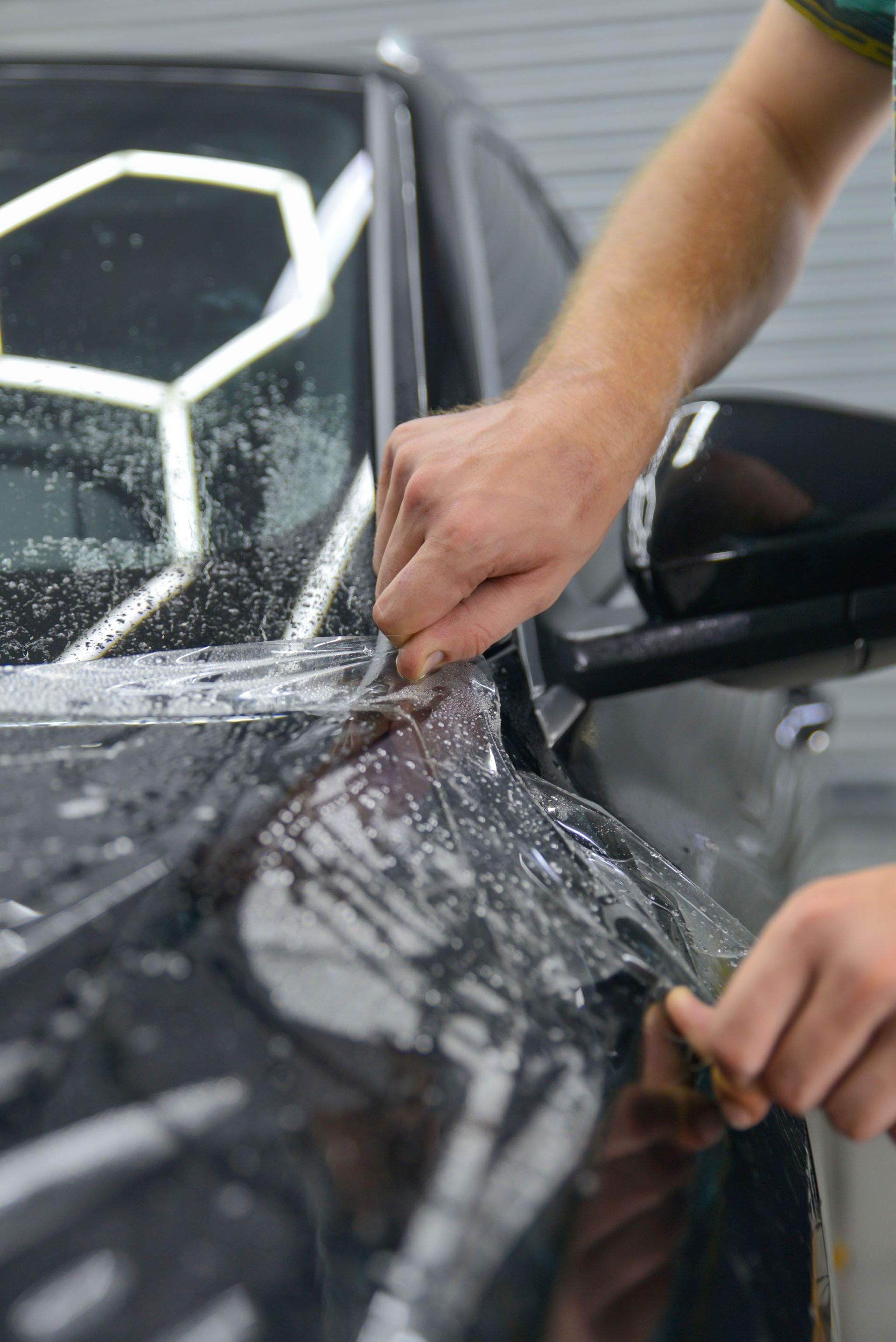
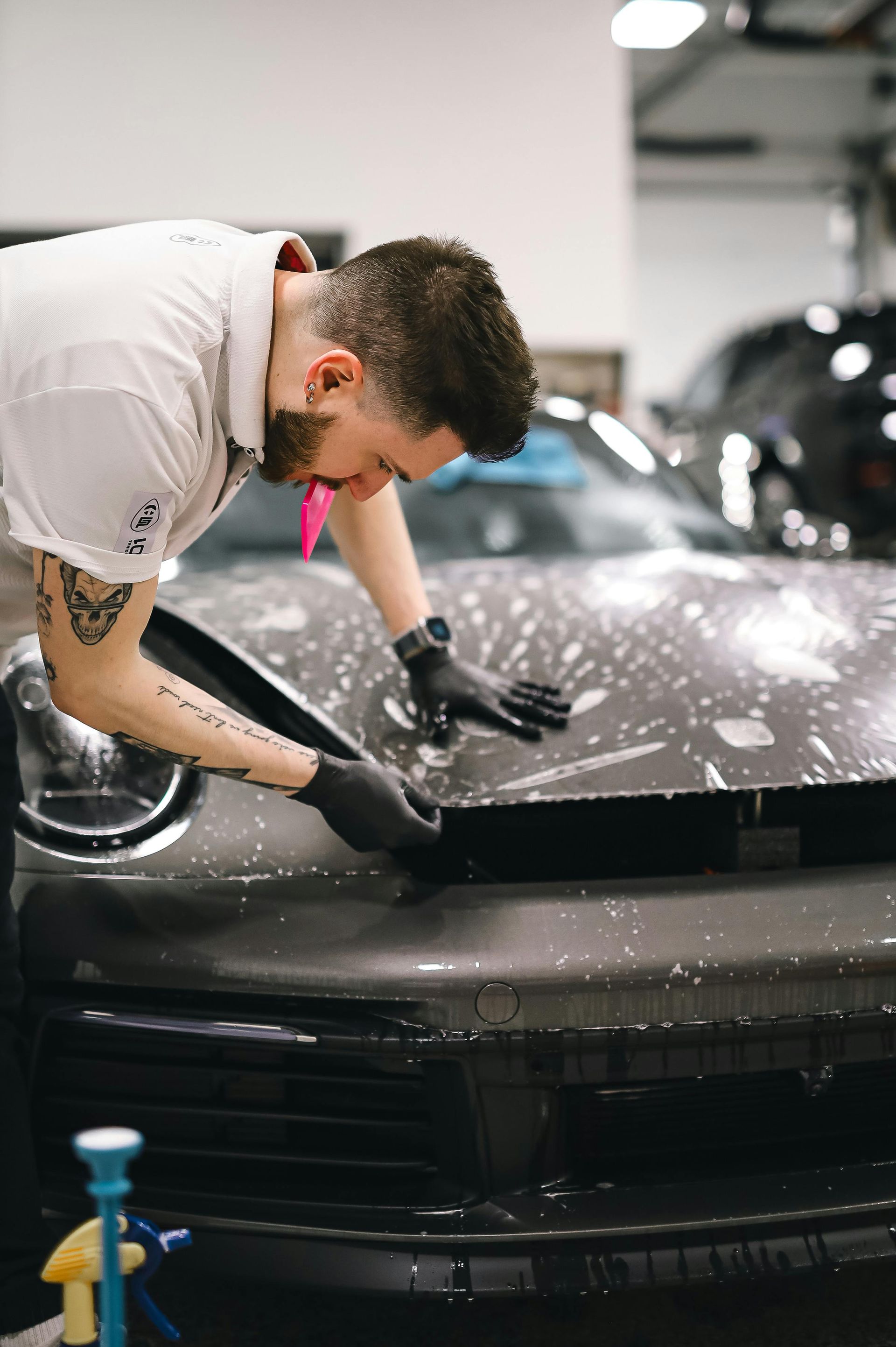
The simplest time to protect paint is before chips accumulate. New vehicles are common candidates because their finish may require less corrective work, but used vehicles can also benefit. The key is to assess the paint first and complete any appropriate cleaning, touch-up work, or correction before applying the film.
Consider installing paint protection film before a period of heavy commuting, a long road trip, or repeated highway travel. Waiting until the hood is covered in chips changes the job from preservation to damage management. Early protection helps retain the appearance you already value.
Get Paint Protection Film in Franklin, TN
Rock chips happen quickly, and repairing paint after repeated impacts can be more involved than shielding it in advance. If you want rock chip protection for the hood and other high-impact panels, 86 Auto Lab can help you compare coverage based on your vehicle, driving habits, and goals.
Explore
paint protection film in Franklin, TN, including Partial Front, Full Front, Track Pack, and Full Body options. To request a quote or discuss the right coverage for your vehicle, call 86 Auto Lab at
(615) 506-6286.
About the Author
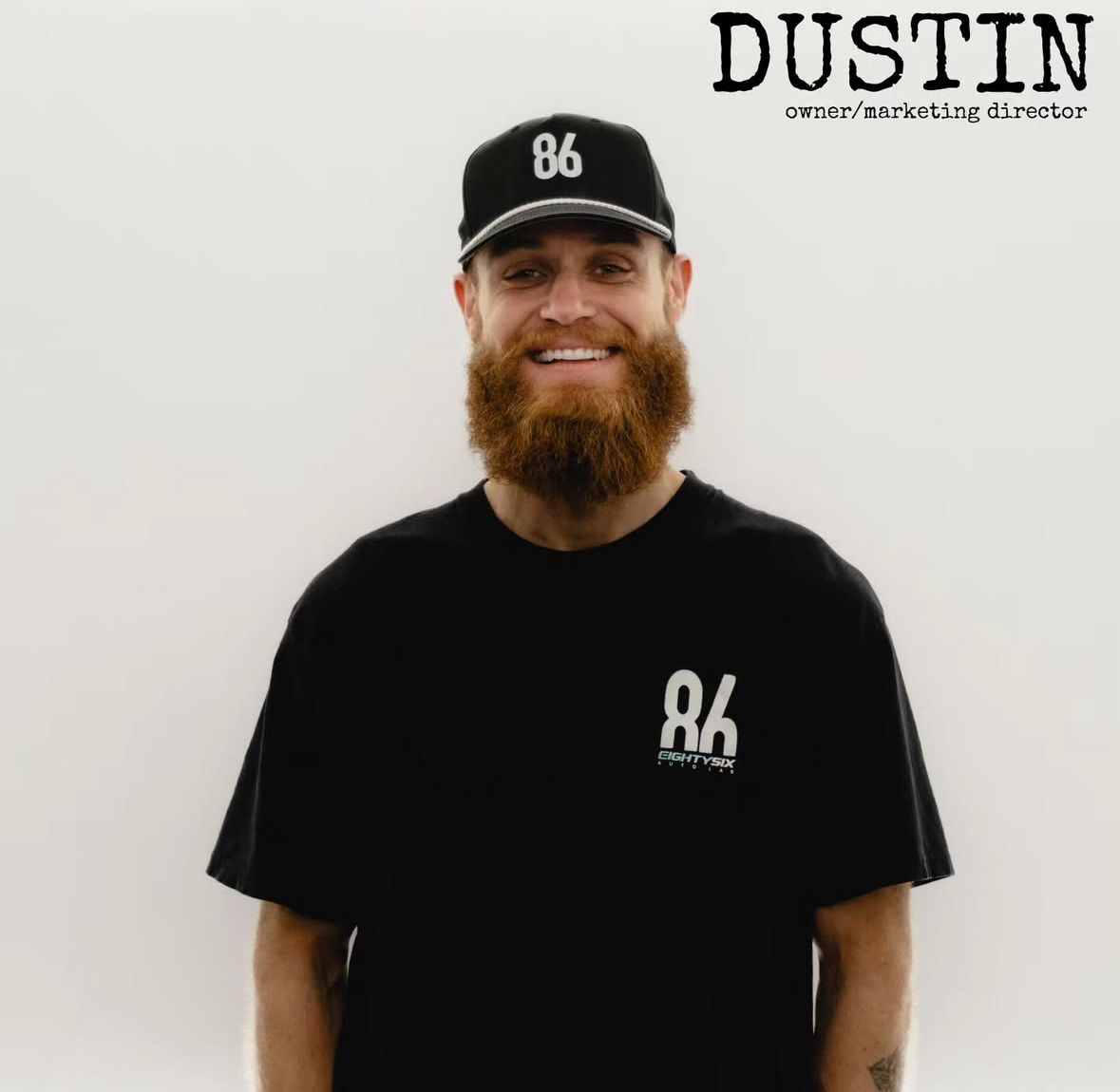
Dustin Guard
Dustin Guard is co-owner of 86 Auto Lab and a veteran XPEL-certified installer specializing in paint protection film, ceramic coatings, and window tint. With over 13 years in automotive protection, he has completed thousands of installations and trained hundreds of professionals, sharing his expertise through The Detail Spot Podcast and hands-on mentorship.
86 Auto Lab Blog