PPF Yellowing, Lifting Edges, and Cloudy Paint Protection Film: Causes and Fixes in Franklin, TN
Paint protection film is designed to take the abuse that would otherwise reach your vehicle’s paint. It encounters road debris, bug residue, tree sap, sunlight, moisture, and repeated washing so the factory finish underneath does not have to. However, PPF is not immune to age, contamination, installation problems, or improper care.
Discoloration, loose edges, and a hazy appearance do not always mean the paint beneath the film is damaged. In many cases, the issue is limited to the film or its adhesive. The important part is identifying what caused the change before attempting a repair.
If you notice PPF yellowing, lifting edges, or cloudy paint protection film, a professional inspection can determine whether the affected section can be corrected or requires replacement.
Why Does Paint Protection Film Turn Yellow?
Older paint protection films were more susceptible to yellowing than modern urethane products. Current high-quality films are engineered to resist UV exposure and staining, but no installed surface is completely unaffected by its environment or maintenance history.
Possible causes of PPF yellowing include:
- Prolonged exposure to sunlight and heat
- Embedded road film and environmental contamination
- Bug residue, bird droppings, or tree sap left on the surface
- Harsh cleaners that are unsuitable for automotive film
- Aging or deterioration of the film’s topcoat
- Lower-quality or outdated film materials
Yellowing is often easiest to see on white and other light-colored vehicles. What appears to be permanent discoloration may sometimes be contamination sitting on top of the film. A careful decontamination can help determine whether the staining is superficial.
If cleaning does not restore the film’s clarity, its top layer may have deteriorated. In that situation, replacing the affected panel is generally more reliable than trying to polish away damage within the material.
What Causes PPF Lifting Edges?
PPF lifting edges may first appear around bumpers, mirrors, hood corners, wheel arches, or other areas with tight curves. A small raised section can collect dust and water, making the edge more visible and allowing the separation to spread.
Several conditions can contribute to lifting:
Surface Contamination During Installation
Wax, oil, polish, dust, or residue left on the paint can interfere with adhesion. Thorough preparation is especially important around seams, corners, badges, and body lines.
Tension Around Curves
The film must conform to complex vehicle contours without being overstretched. Excessive tension can gradually pull the material away from an edge, particularly in recessed or sharply curved areas.
Washing Too Close to an Edge
A pressure washer directed at close range toward a film seam can force water beneath the material. Automatic car washes and aggressive brushes can also catch exposed edges.
Premature Washing
The adhesive needs time to settle after installation. Washing the vehicle too soon may disturb the edges before the film has fully bonded.
Age or Adhesive Deterioration
As PPF ages, repeated exposure to heat, moisture, cleaning products, and road conditions can weaken its adhesive. Lifting across several panels may indicate that the film is approaching the end of its useful service life.
Avoid trimming, gluing, or pressing a dirty edge back into place at home. Sealing contamination beneath the film can produce a visible line and an unreliable repair. A qualified installer can inspect the area and determine whether a clean correction remains possible.
Why Does PPF Look Cloudy or Hazy?
Cloudy paint protection film can have several causes, and the timing of the problem provides an important clue.
Some temporary haze or moisture may be visible shortly after installation because PPF is commonly applied with a liquid installation solution. Small pockets or a slightly hazy appearance can improve as the remaining moisture evaporates. Drying time varies with temperature, humidity, vehicle contours, and the amount of solution used.
Cloudiness that appears later may be related to:
- Mineral deposits from hard water
- Soap or detailing product residue
- Embedded contamination
- Degradation of the film’s topcoat
- Moisture entering beneath a lifted section
- Adhesive changes in older film
- Improper polishing or chemical exposure
Do not puncture bubbles or use concentrated heat in an attempt to clear the film. These methods can distort the material, damage the topcoat, or leave a permanent mark. If the haze remains after proper washing, a professional evaluation is the safest next step.
Can Damaged Paint Protection Film Be Repaired?
The right approach depends on the location, size, age, and cause of the problem. Paint protection film repair may be possible when a recently installed edge has lifted slightly and the adhesive area is still clean. Surface contamination may also be removable when it has not penetrated or damaged the film’s topcoat.
Replacement is usually the better option when:
- Yellowing remains after professional cleaning
- Dirt has collected beneath a lifted edge
- The film has cracked, hardened, or developed widespread haze
- Adhesion is failing across a large area
- The material has been deeply cut or torn
- Multiple panels show signs of age
- An attempted repair would leave a visible or unreliable result
PPF is generally installed one panel at a time, so one failed section does not automatically mean the entire vehicle must be redone. For example, an aging bumper section may be replaced while film on the hood and fenders remains serviceable.
A professional should also inspect the paint before installing new film. Existing chips, refinished panels, failing clear coat, and previous bodywork may affect removal and replacement recommendations.
See Professional PPF Work Up Close
Understanding how PPF is fitted around body lines, curves, corners, and high-impact areas can make it easier to recognize the difference between a precise installation and film that may need attention. Visit the 86 Auto Lab YouTube channel to see recent vehicle protection projects, shop footage, and examples of the care involved in professional automotive film installation.
When Is Full PPF Replacement Necessary?
The typical service life of high-quality PPF varies based on the product, installation, exposure, and maintenance. According to 86 Auto Lab, high-quality film can commonly last approximately five to ten years when properly maintained. The business installs XPEL paint protection film and states that its films include a lifetime warranty. The applicable warranty terms should be confirmed for the specific product and installation.
Full replacement may make sense when the film is reaching the end of its service life and similar deterioration is appearing throughout the vehicle. Replacing multiple aging sections together can also create a more consistent finish than combining heavily weathered film with fresh material.
For drivers seeking PPF replacement in Franklin, TN, an in-person inspection is the best way to distinguish a localized problem from widespread film failure.
How to Reduce Future PPF Problems

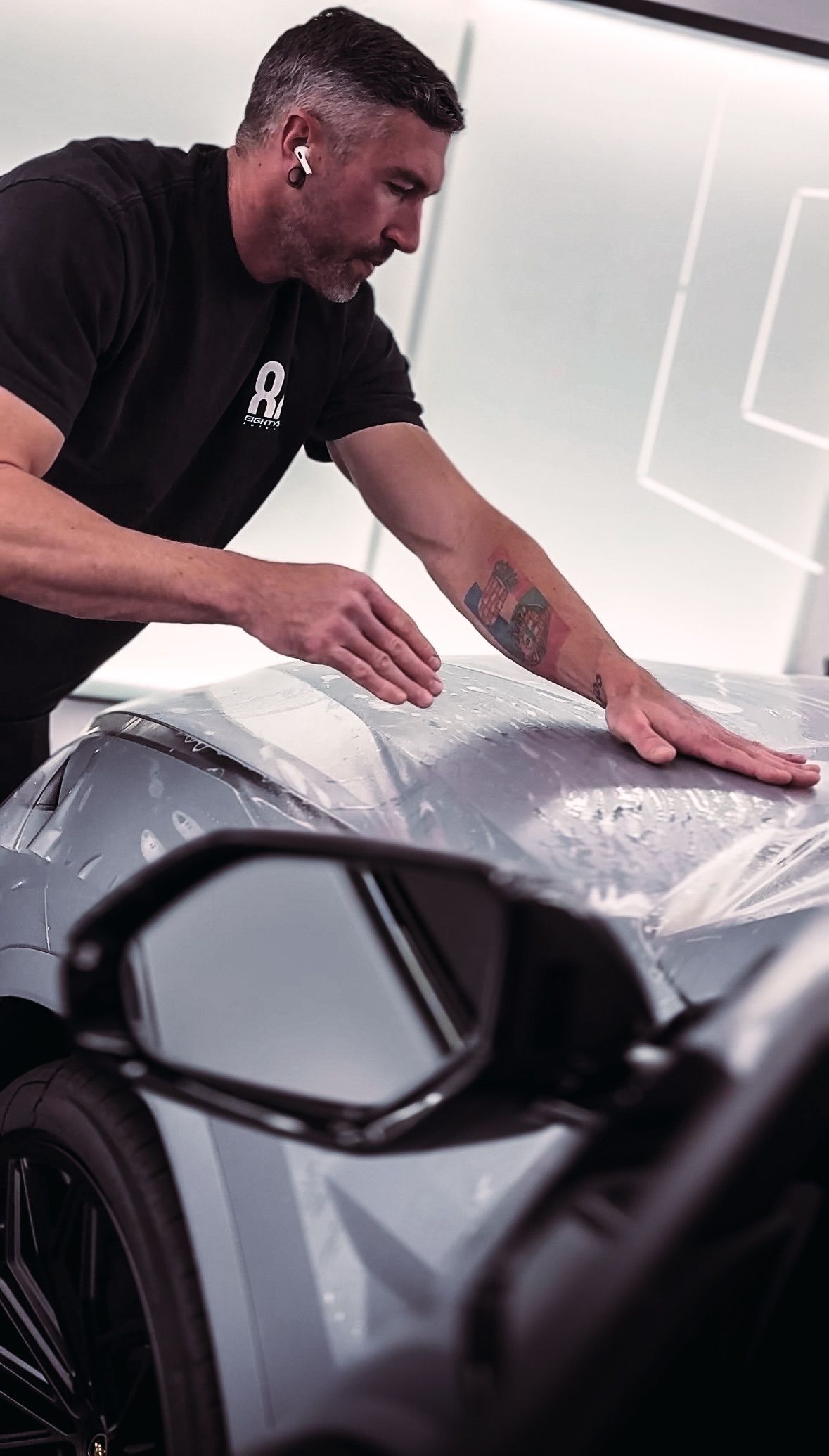
Consistent, film-safe care helps preserve clarity and adhesion:
- Remove bug splatter, bird droppings, and tree sap promptly.
- Wash with a clean mitt and a gentle automotive shampoo.
- Keep pressure washer nozzles a safe distance from film edges.
- Avoid abrasive compounds unless they are approved for the installed film.
- Do not pick at seams or use household adhesive on loose areas.
- Follow the installer’s aftercare instructions and initial curing guidance.
- Have questionable stains or lifting inspected before they spread.
A
ceramic coating may also be applied over compatible PPF to improve water behavior and make routine cleaning easier. However, it does not correct film that is already yellow, cloudy, or separating. Existing defects should be addressed first.
Schedule a PPF Inspection in Franklin, TN
Yellowing, haze, and loose edges can result from surface contamination, aging, maintenance practices, or installation-related stress. Because these symptoms can look similar from the outside, the film should be examined before deciding between cleaning, correction, partial replacement, or a larger reinstallation.
86 Auto Lab provides paint protection film installation in Franklin, TN, with partial front, full front, track pack, and full body coverage options. The shop is located at 1552 Columbia Avenue, Building 3, Franklin, Tennessee.
For an evaluation or quote for PPF replacement in Franklin, TN, call 86 Auto Lab at (615) 506-6286.
About the Author
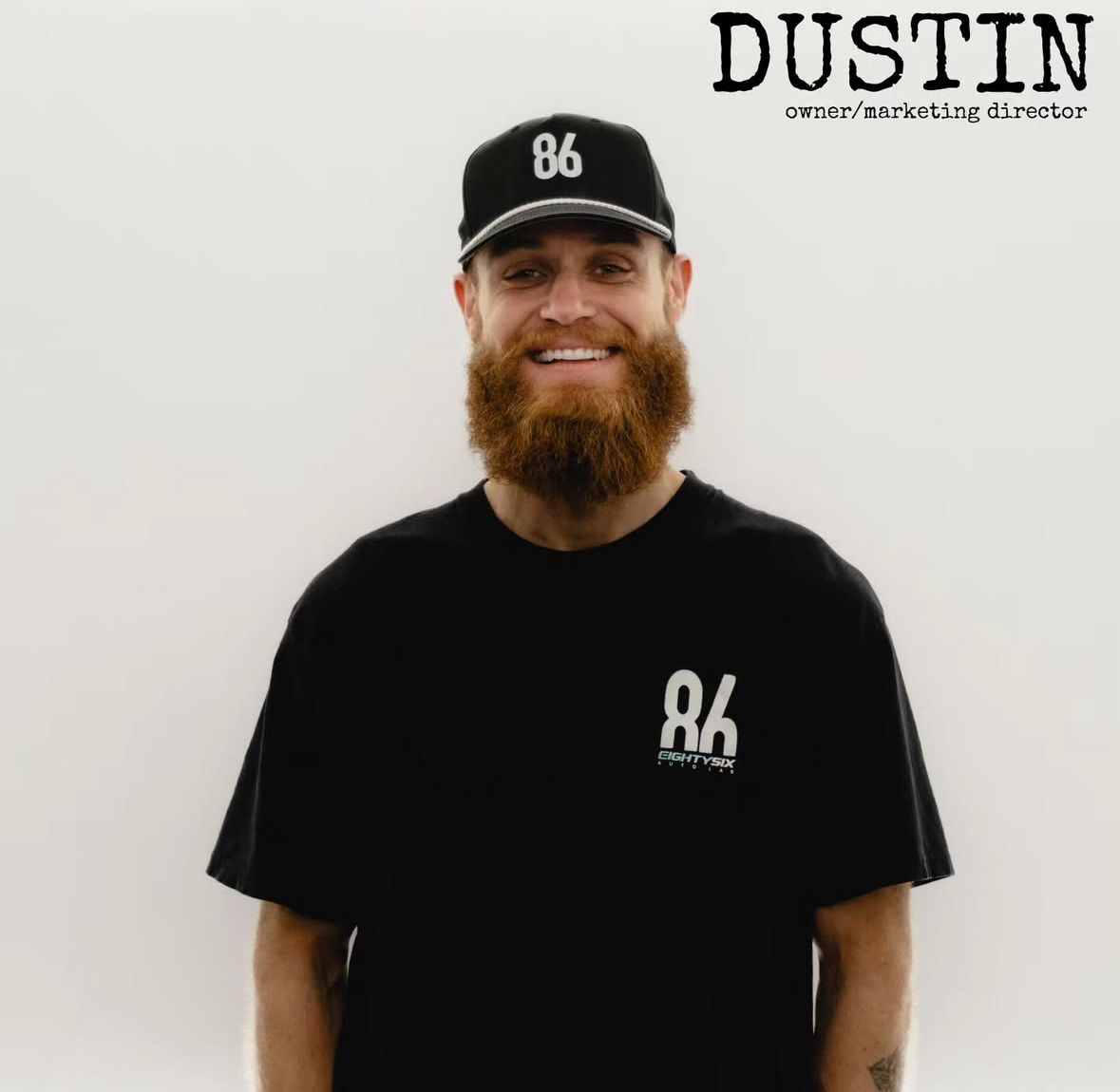
Dustin Guard
Dustin Guard is co-owner of 86 Auto Lab and a veteran XPEL-certified installer specializing in paint protection film, ceramic coatings, and window tint. With over 13 years in automotive protection, he has completed thousands of installations and trained hundreds of professionals, sharing his expertise through The Detail Spot Podcast and hands-on mentorship.
86 Auto Lab Blog