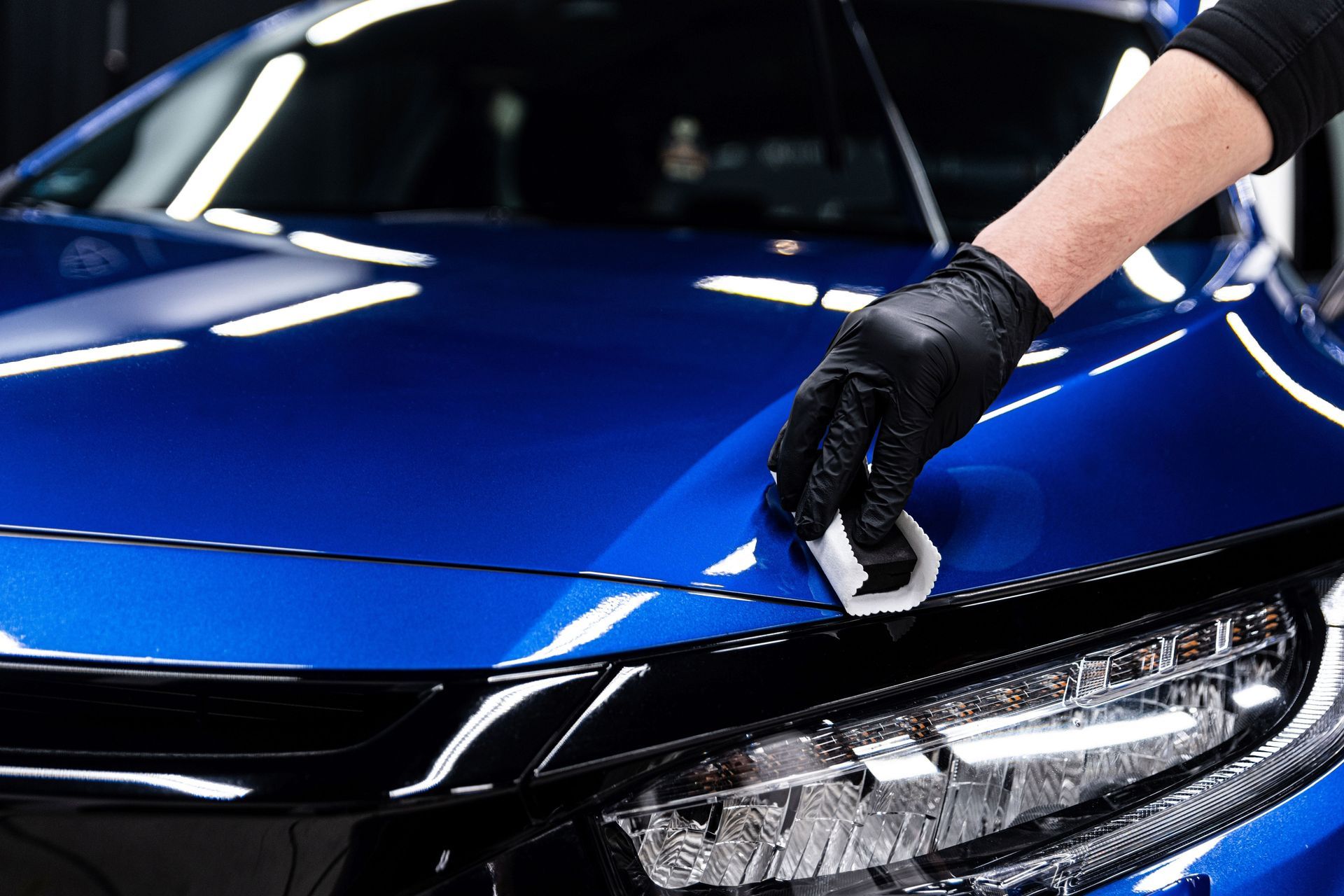
Water Spots on Ceramic Coating in Franklin, TN: How to Remove Hard Water Etching Safely
If you've noticed cloudy rings or white spots forming on your ceramic-coated vehicle after a rainstorm or a quick hose-down, you're not alone. Water spots are one of the most common complaints we hear from Franklin, TN, vehicle owners, even on vehicles that have been professionally coated. The good news is that most water spots can be removed safely, and understanding why they happen is the first step to keeping your paint looking its best.
Why Water Spots Form on Ceramic Coated Vehicles
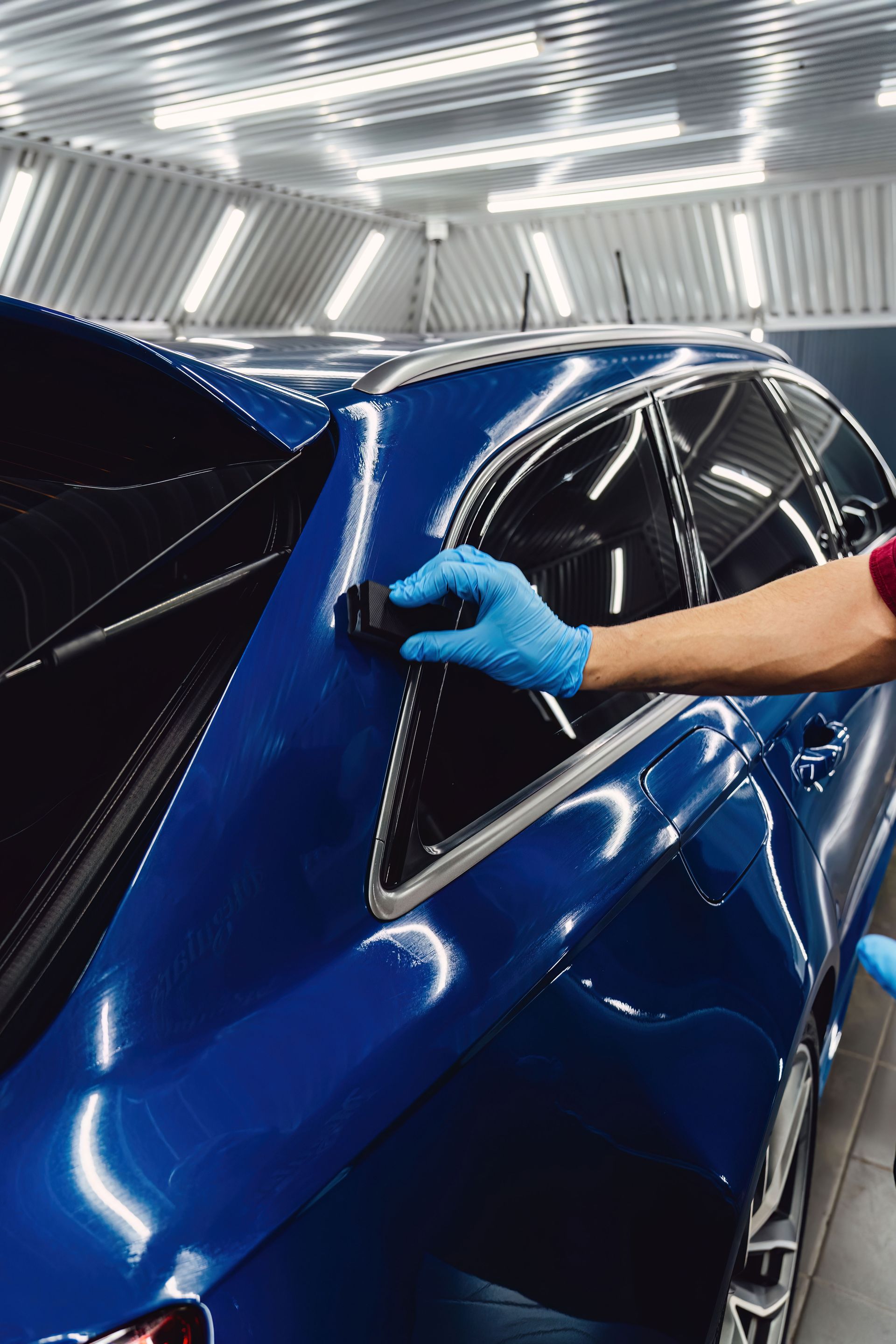
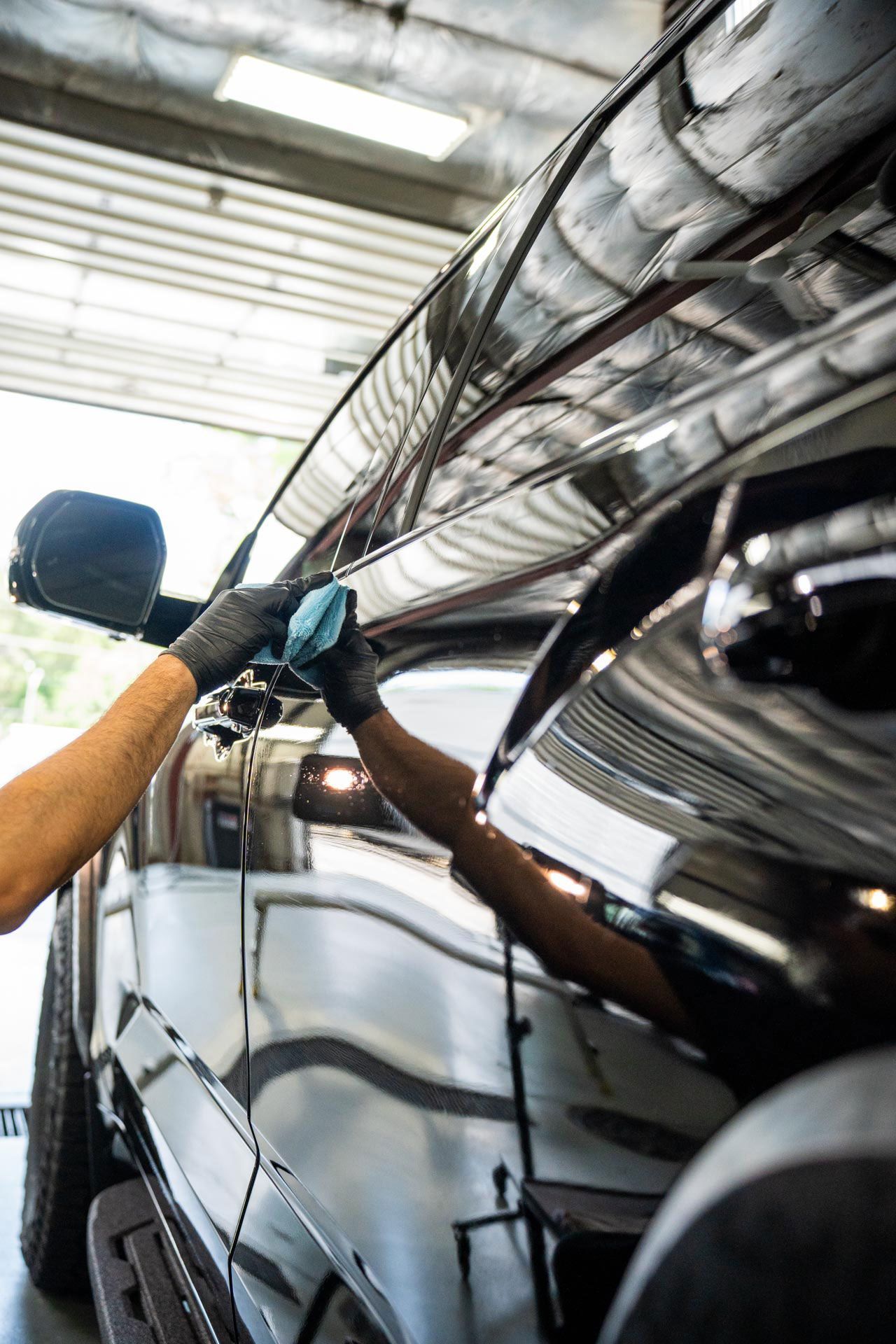
Water itself doesn't damage paint. The minerals dissolved in that water do. When water sits on a surface and evaporates, it leaves behind calcium, magnesium, and other minerals. If the water dries slowly or dries in direct sunlight, those minerals can bond to the surface and leave a visible ring or spot.
A ceramic coating helps by making the surface hydrophobic, so water beads up and rolls off more easily instead of spreading out and sitting on the paint. That reduces how often spots form and makes the ones that do appear easier to remove. It does not make your vehicle immune to hard water. If water is left to dry on a coated panel, especially in Franklin's summer heat, minerals can still leave a mark.
Surface Deposits vs. Etched Water Spots
Not every water spot is the same, and the type you're dealing with determines how it should be treated.
Surface-level deposits (Type I) sit on top of the coating. These usually look like a light, chalky film and can typically be removed with a proper wash, a coating-safe water spot remover, or a clay bar treatment. They have not damaged the coating itself.
Etched water spots (Type II) have bonded into the surface. These often appear as faint rings that don't wipe away with washing. If minerals are left to sit for an extended period, especially in high heat, they can etch into the ceramic coating or, in more severe cases, into the clear coat underneath. Etched spots require polishing to level the surface and restore clarity. Attempting to scrub them out with a towel or an abrasive cleaner can create swirl marks without actually removing the spot.
If you're not sure which type you're dealing with, run your fingernail lightly across the spot. If you can feel a slight bump or texture, there's a good chance it has etched into the surface and will need professional attention.
Why Franklin, TN, Vehicles Are Especially Prone to Water Spotting
A few local factors make water spots a recurring issue for drivers in Franklin and the surrounding Middle Tennessee area:
- Hard water. Much of the water supply in this region carries a higher mineral content, which increases the chance of spotting from hose water, sprinklers, and even rain that mixes with airborne dust and pollen.
- Humidity and heat. Tennessee summers combine high humidity with strong sun, which speeds up evaporation and gives minerals less time to rinse away before they bond to the surface.
- Pollen season. Heavy pollen coats vehicles between washes, and when rain or dew mixes with that layer and dries, it often leaves spotting behind along with the residue itself.
None of these conditions are things you can control. What you can control is how quickly water is removed from your vehicle and how well the surface is protected and maintained.
Can You Remove Water Spots at Home?
For light, surface-level spots, yes, in many cases. A few guidelines to keep in mind:
- Always wash the vehicle first with a two-bucket method before attempting spot removal. Never use dish soap, which can strip the coating's hydrophobic properties.
- Use a product formulated to be safe for ceramic coatings. Not all water spot removers are, and some contain acids strong enough to damage the coating with repeated use.
- Work in the shade, not direct sunlight. Chemical removers that dry too quickly on a hot panel can leave streaking of their own.
- Dry the vehicle immediately after washing using a microfiber drying towel or a blower, rather than letting it air dry.
If a spot doesn't lift after a wash and a coating-safe treatment, don't keep scrubbing. That's usually the sign that the spot has etched below the surface and needs to be corrected professionally rather than treated at home.
When Water Spots Need Professional Correction
Etched water spots require paint correction to level the surface and remove the bonded minerals. This is a controlled polishing process, not something that can be done safely with a towel and household products. Attempting to correct etching yourself with the wrong products or technique can thin the clear coat or damage the existing ceramic coating.
At 86 Auto Lab, our team evaluates the severity of the spotting before recommending a fix. In many cases, a section of the vehicle can be corrected and the ceramic coating reapplied to that area, restoring both the appearance and the protection without having to redo the entire vehicle.
How Ceramic Coating Helps Going Forward
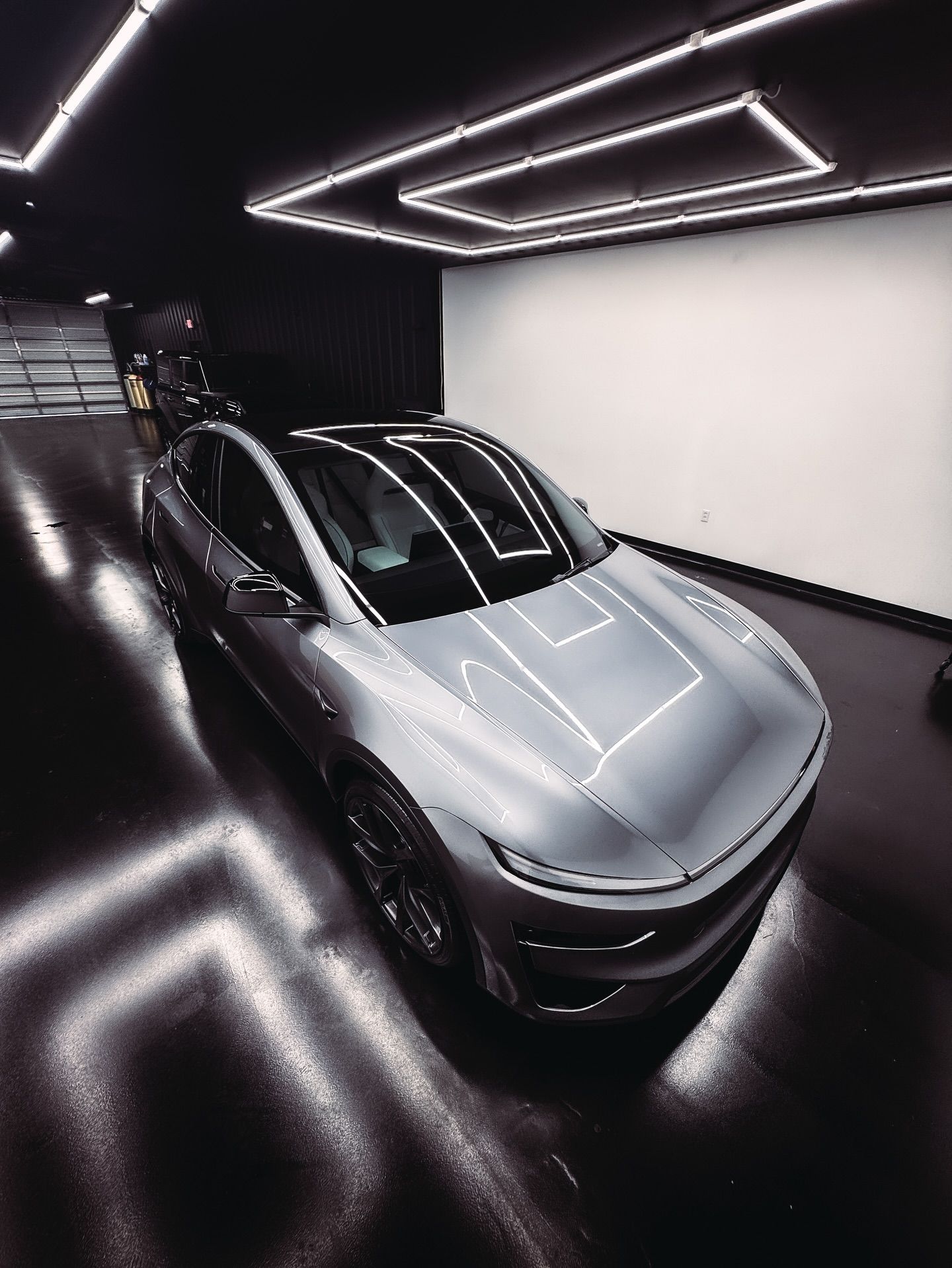
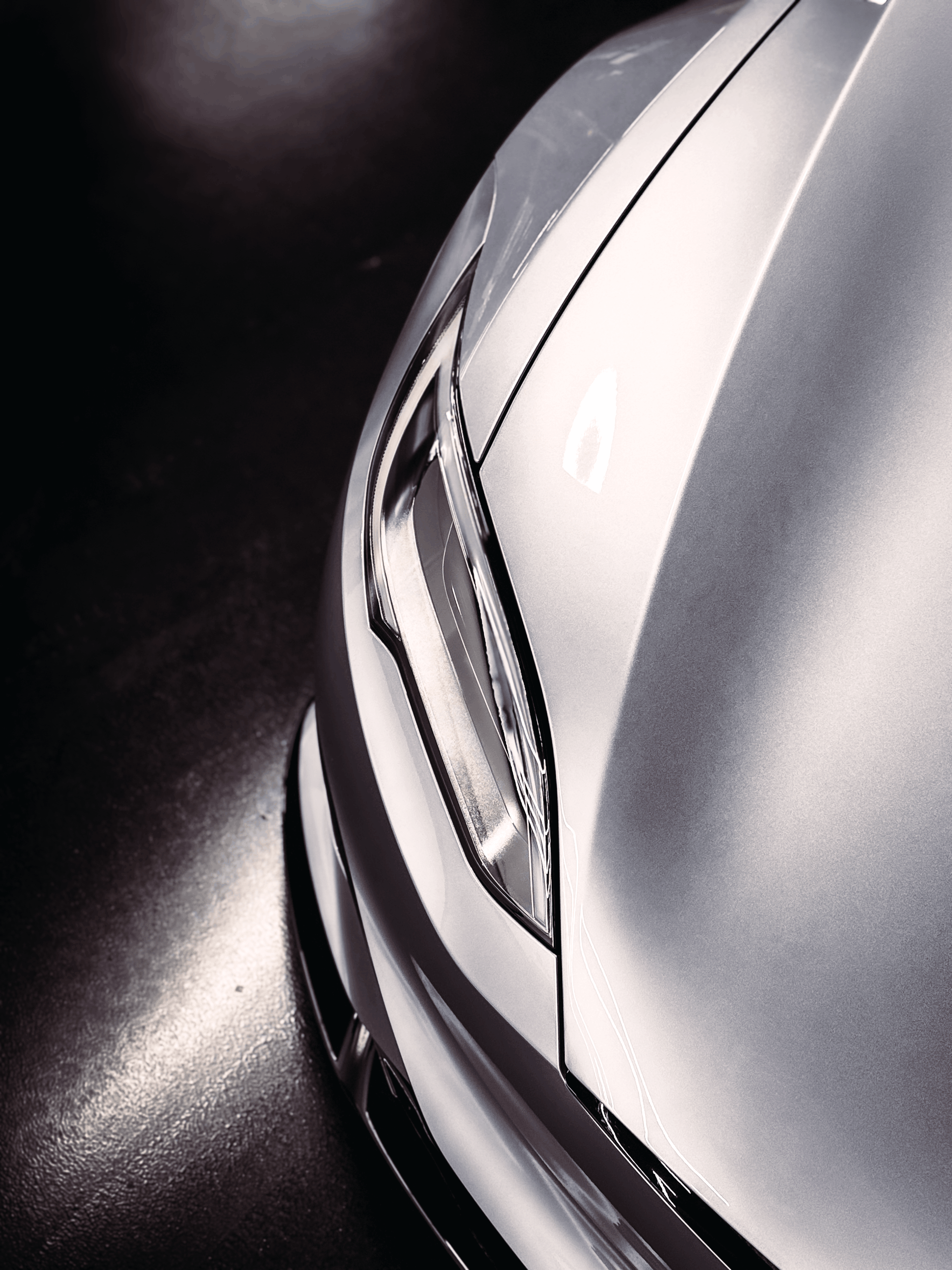
If your vehicle isn't currently coated, or if your existing coating has worn down, a fresh application makes ongoing water spot maintenance much easier. Our ceramic coating packages include:
- 2 Year Ceramic Coating: a single layer applied to paint, wheel faces, glass, and plastics, backed by a 2-year warranty with a 1-day turnaround.
- 5 Year Ceramic Coating: two layers of 9H ceramic plus a top coat, backed by a 5-year warranty with a 1 to 2 day turnaround.
- Lifetime Ceramic Coating: three layers of 9H ceramic plus a top coat, backed by a lifetime warranty with a 1 to 2 day turnaround.
Not sure which package fits your vehicle? We break down the differences in What is the BEST CERAMIC COATING for your vehicle, where we walk through how each option holds up over time and which one makes sense depending on how you drive and maintain your vehicle.
Getting a good result also starts long before the coating goes on. Our team spends time prepping the surface first, removing contamination and correcting any existing imperfections, since coating over water spots or swirl marks only locks them in rather than fixing them. You can see this full process from start to finish in We Brought This Jeep Back to Life, which covers the complete ceramic coating process on one of our recent projects.
If you want to see the same level of prep and application on a different type of vehicle, our Civic Type R Ceramic Coating Installation video shows the XPEL coating process from start to finish at our Franklin shop.
Preventing Water Spots Between Details
Between full details, a few habits go a long way:
- Rinse and dry your vehicle promptly after it's exposed to sprinklers, rain, or a hose-down, rather than letting water air dry.
- Avoid washing or rinsing your vehicle in direct midday sun.
- Keep up with regular maintenance washes so pollen, dust, and grime don't build up and mix with water on the surface.
If you'd rather not manage this yourself, our Monthly Maintenance Detail package includes a proper two-bucket hand wash and foam cannon wash on a recurring schedule, which keeps contaminants from building up between visits.
Frequently Asked Questions
Will ceramic coating completely stop water spots?
No coating can prevent water spots entirely, since the minerals in the water are what cause spotting, not the paint or coating itself. A quality ceramic coating does make spots less likely to bond permanently and easier to remove when they do appear.
Can I use vinegar or a clay bar to remove water spots?
Household acids like vinegar are not formulated for ceramic coatings and can damage the surface with repeated use. A clay bar can help lift surface-level residue, but it will not remove etching, and using one on an already-etched spot can create additional marring.
How do I know if my coating needs to be reapplied?
If water is no longer beading and sheeting off the surface the way it did when the coating was new, that's usually a sign the coating has worn down and it's time for a fresh application.
Get Your Vehicle's Shine Back
If you're dealing with stubborn water spots in Franklin, TN, or you want to get ahead of the problem with a fresh ceramic coating, our team at 86 Auto Lab is here to help. We'll assess whether your spots are surface-level or etched and recommend the right fix, whether that's a maintenance wash, paint correction, or a full coating reapplication.
Call us at
(615) 506-6286 or
request a quote online to get started.

About the Author
Dustin Guard
Dustin Guard is co-owner of 86 Auto Lab and a veteran XPEL-certified installer specializing in paint protection film, ceramic coatings, and window tint. With over 13 years in automotive protection, he has completed thousands of installations and trained hundreds of professionals, sharing his expertise through The Detail Spot Podcast and hands-on mentorship.
86 Auto Lab Blog